
Maximizing Value: Essential Tips for Your Home Remodel
- Tymur Trofymenko
- Jan 22
- 3 min read

Remodeling your home can be exciting and rewarding, but it also comes with challenges. Many homeowners invest significant time and money into renovations only to find the value added does not match their expectations. To avoid this, it’s crucial to plan carefully and make smart choices that increase your home's appeal and worth. This guide offers practical tips to help you maximize value in your home remodel.
Set Clear Goals and Budget
Before starting any work, define what you want to achieve with your remodel. Are you updating for personal enjoyment, preparing to sell, or both? Clear goals help prioritize projects and avoid unnecessary expenses.
Establish a realistic budget that includes a contingency fund for unexpected costs.
Research local market trends to understand which improvements bring the best return on investment.
Focus on projects that align with your goals, whether that’s modernizing the kitchen or adding energy-efficient features.
Focus on High-Impact Areas
Certain rooms and features have a stronger influence on home value. Concentrate your efforts where they matter most.
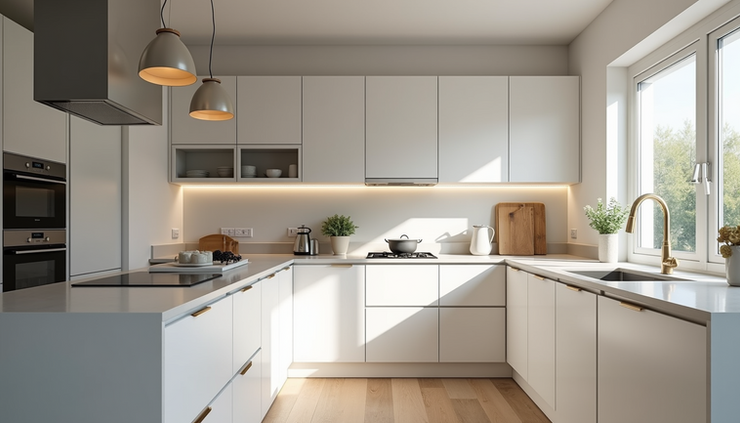
Kitchen remodels often provide the highest return. Updating cabinets, countertops, and appliances can transform the space.
Bathroom upgrades improve comfort and appeal. Consider new fixtures, better lighting, and fresh tile work.
Curb appeal matters. Enhancing the exterior with landscaping, fresh paint, or a new front door invites interest and adds value.
Choose Quality Materials Wisely
Using quality materials can boost durability and appearance, but expensive options don’t always guarantee better value.
Select materials that balance cost and longevity. For example, quartz countertops offer durability without the high price of marble.
Opt for energy-efficient windows and insulation to reduce utility bills and attract eco-conscious buyers.
Avoid overly personalized or trendy finishes that might not appeal to future owners.
Improve Functionality and Flow
Homes that feel spacious and easy to navigate attract more buyers and provide better living experiences.
Open floor plans or removing unnecessary walls can create a sense of space.
Add storage solutions like built-in shelves or closet organizers to reduce clutter.
Ensure rooms have adequate lighting and ventilation.
Hire Skilled Professionals
Even the best plans can fall short without proper execution.
Choose licensed contractors with strong references and proven experience.
Communicate clearly about your expectations and budget.
Monitor progress regularly to catch issues early.
Consider Energy Efficiency Upgrades
Energy-efficient homes save money and attract buyers who value sustainability.
Install LED lighting and energy-efficient appliances.
Upgrade HVAC systems and add programmable thermostats.
Use low-flow plumbing fixtures to reduce water consumption.
Keep Design Consistent with Neighborhood
Your remodel should fit the style and standards of your neighborhood to maintain or increase value.
Research local architecture and design trends.
Avoid extreme or unusual designs that may deter buyers.
Match exterior colors and materials to surrounding homes.
Plan for Long-Term Maintenance
Choose finishes and systems that require minimal upkeep to keep your home attractive over time.
Durable flooring like tile or hardwood resists wear.
Paint with washable, high-quality finishes.
Use materials resistant to mold, pests, and weather damage.
Add Functional Outdoor Spaces
Outdoor living areas are increasingly popular and add usable square footage.
Create patios, decks, or seating areas.
Add landscaping that complements the home.
Consider features like fire pits or outdoor kitchens if budget allows.
Document Your Remodel
Keep detailed records of all work done, including permits, warranties, and receipts.
This documentation helps with future sales and insurance claims.
It shows buyers that renovations were done professionally and legally.


Comments